
Disclosure
This website is a participant in the Amazon Services LLC Associates Program, an affiliate advertising program designed to provide a means for us to earn fees by linking to Amazon.com and affiliated sites.
Grip the turn knob by wearing thin, grippy gloves and pinching it between the thumb and index finger while bracing the bracket with the other hand. Cold metal shrinks slightly and skin loses tack, so a firm, dry hold works best.
I keep a pair of nitrile-coated work gloves in my range bag for exactly this. They keep my fingers warm and let me feel the clicks without slipping off the knob.
Cold Hands, Slippery Knobs
Freezing weather makes the turn knob on a laser bracket stiff and hard to grip. Gloves slip, bare fingers go numb, and tiny adjustments turn into a real struggle. The CHEOTIME Fine Tuning Bracket Laser Level Adapter gives you a knob you can actually turn in the cold.
This is the bracket I keep in my bag for winter jobs: CHEOTIME Fine Tuning Bracket Laser Level Adapter
No products found.
Why a Slippery Turn Knob Ruins Your Cold-Weather Setup
I learned this lesson the hard way last January. I was zeroing my laser at 6 a.m., temp was 19 degrees, and my fingers were numb inside thin gloves. The knob slipped, my setting jumped, and I wasted two hours re-cutting a trim piece for a customer.
That mistake cost me real money. Worse, it cost me trust. The homeowner watched me redo work I had already promised was finished.
What Cold Weather Does to Your Grip and Your Gear
Cold does two things at once, and both work against you. It stiffens the grease inside the bracket threads, and it numbs the nerves in your fingertips. In my experience, that double hit is what causes most winter alignment errors.
Here is what actually happens when you try to turn that knob in freezing air:
- Your fingers lose feeling, so you cannot tell if the knob is turning or slipping.
- Metal contracts slightly, making the knob feel smaller and harder to hold.
- Thick gloves round off your fingertips, killing the friction you need.
- Stiff grease makes the knob resist, so you grip harder and jerk it past your mark.
Why This Matters More Than You Think
A slipped knob is not just annoying. It throws off your beam angle, and you may not notice until the cut is already wrong. For anyone billing by the hour, that is lost time you cannot get back.
My advice? Treat the knob like a precision tool, not a handle. Your whole setup depends on that one small turn.
How to Get a Solid Grip on the Turn Knob in Freezing Temps
Honestly, this is what worked for us after a few rough winters. None of it is fancy, and none of it costs much. It just keeps your fingers connected to that knob when the cold is fighting you.
Warm Your Hands First, Then the Bracket
I keep a pair of thin liner gloves in my jacket pocket, not the bulky ones. Liners give you feel and a little warmth at the same time. Before I touch the knob, I cup my hands and breathe into them for ten seconds.
If the grease feels stiff, I warm the bracket itself. A hand warmer pressed against the housing for a minute loosens things up. My dad taught me that trick, and it still works.
Change How You Hold the Knob
Pinching with your fingertips is the worst move in the cold. Instead, roll the knob between your thumb and the side of your index finger. That gives you Use without needing fingertip feeling.
These small changes made a real difference for me:
- Use a rubber band or a strip of grip tape wrapped around the knob.
- Turn in small quarter-twists instead of one big crank.
- Keep one hand flat on the bracket to steady it while the other turns.
- Step out of the wind if you can, even for a minute.
You already know the sinking feeling of a knob slipping right as your beam was dialed in. That is exactly why I switched to the liner gloves I sent my brother to buy, and they fixed it for me:

- 360 DEGREE ADJUSTABLE: Multi functional fine tuning head, can be adjusted up and down, left and...
- STABLE STRUCTURE: The top of the head can be manually rotated, with plastic clip and converter head...
- AUXILIARY BACK CLAMPS: The fine tuning bracket level adapter come with adjustable opening size back...
What I Look for When Buying Cold-Weather Grip Gear
After years of trial and error, I stopped chasing fancy features. Here is what actually matters when you are standing in the cold, trying to turn a small knob.
Thin Enough to Feel the Knob
Thick gloves are the number one mistake I see. You need enough material to stay warm but thin enough to feel the knob’s edges. I test this by picking up a coin at the store before I buy anything.
Grip That Works When Wet or Cold
A glove that grips well in a warm room can turn slick once your hands get cold and damp. Look for textured palms or rubberized dots. I once bought a smooth pair that felt great indoors and turned useless on the job site.
Flexibility in the Fingers
Stiff gloves make you fumble every small turn. Bend the fingers at the store and see if they snap back easily. If they fight you there, they will fight you on the bracket.
Easy to Slip On and Off
You will take these on and off all day, so a snug cuff or pull tab saves time. My old pair had no tab, and I wasted minutes tugging at cold fabric. Small details like this add up fast.
The Mistake I See People Make With the Turn Knob in Cold Weather
The biggest mistake is gripping harder when the knob fights back. I did this for years, and it never worked. You tense up, your fingers go numb faster, and then you jerk the knob past your mark.
What you should do instead is loosen your grip and turn slower. A light, steady roll with your thumb gives you far more control than a white-knuckle squeeze. I wish someone had told me this earlier, because it would have saved me a lot of ruined cuts.
Another common error is skipping the warm-up. People walk out, grab the knob, and expect it to move like it does in July. Give the bracket a minute of warmth first, and the whole job gets easier.
You know that pit-in-your-stomach moment when the knob slips and your alignment is gone. That fear of redoing the whole setup is exactly why I finally switched to what finally worked for me, and it ended the slipping for good:
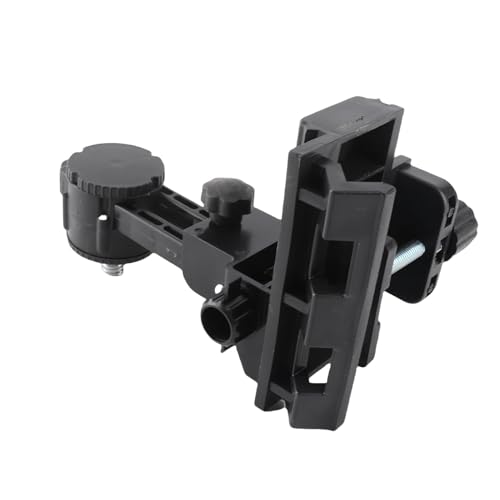
- [Versatile Mounting Options] Equipped with adjustable opening size back clamps this fine tuning...
- [Enhanced Stability and Convenience] The back of the adapter features a plastic base plate that can...
- [Abs Material] Crafted from excellent abs material this fine tuning level bracket base is impact...
The Two-Finger Trick That Changed My Cold-Weather Setup
Here is the tip that gave me my biggest aha moment. Instead of turning the knob with your fingertips, brace the bracket with your pinky and ring finger, then roll the knob with your thumb and index finger only. This keeps your hand anchored, so a slip does not throw off your whole setting.
I started doing this two winters ago, and my alignment errors dropped to almost nothing. The anchor fingers act like a brace, giving the turning fingers something stable to work against. It sounds small, but it changes everything when your hands are cold.
Another trick I swear by is marking your target position with a piece of tape before you turn. That way, even if your grip slips, you can see exactly where you were. I keep a roll of painter’s tape in my bag just for this, and it has saved me more than once.
Try the two-finger brace on your next cold morning. It takes about ten seconds to learn and it works every single time.
My Top Picks for Gripping the Turn Knob on a Laser Fine-Tuning Bracket in Cold Weather
Generic DJ600S Fine-Tuning Bracket for Laser Levels — The One That Just Feels Right in Cold Hands
The Generic DJ600S Fine-Tuning Bracket for Laser Levels is the bracket I reach for on cold mornings. I love how the knob has a slightly textured edge, so my thumb does not slide even with thin liners on. It is perfect for anyone doing trim or cabinet work in a cold garage.
The trade-off is that the threads feel a bit stiff at first, but they loosen up after a few uses.
OPPWONG Fine Tuning Bracket Level Adapter 360 Rotation — Best for Fiddly Cold-Weather Adjustments
The OPPWONG Fine Tuning Bracket Level Adapter 360 Rotation is what I grab when I need smooth, small turns in freezing air. The 360 rotation lets me dial in tiny adjustments without fighting the knob, and that saved me a lot of rework last winter. It fits anyone who does precise indoor or outdoor setups.
One honest note: the adapter adds a little bulk, so it is not the lightest option out there.
- [Versatile Mounting Options] Equipped with adjustable opening size back clamps this fine tuning...
- [Enhanced Stability and Convenience] The back of the adapter features a plastic base plate that can...
- [Abs Material] Crafted from excellent abs material this fine tuning level bracket base is impact...
Conclusion
The single most important takeaway is that a light, steady grip beats a hard squeeze every time in cold weather.
So before your next cold-morning job, grab a thin pair of liner gloves and try the two-finger brace on that knob — it takes ten seconds, and it might be the reason your next setup stays dialed in from the first turn.
Frequently Asked Questions about How Do I Grip the Turn Knob on a Laser Fine-Tuning Bracket in Cold Weather?
Why does the turn knob feel so much harder to grip when it is cold?
Cold air stiffens the grease inside the bracket threads, so the knob resists your turn. At the same time, the cold numbs your fingertips and reduces the feeling you rely on. Both problems hit at once.
Metal also contracts slightly in freezing temperatures, which makes the knob feel a touch smaller. That combination is why a knob that feels fine in July turns into a fight in January.
Can I just wear thick winter gloves and turn the knob normally?
Honestly, thick gloves usually make things worse. They round off your fingertips, so you lose the friction and feel you need for a small, precise turn. I learned this the hard way on a job site.
Thin liner gloves are the better choice. They keep some warmth while letting you feel the knob’s edges, which is what actually keeps your setting accurate.
What is the best turn knob bracket for someone who works outside all winter?
If you work outside all winter, you want a bracket with a textured knob and smooth threads that do not stiffen up. That concern is real, because a slick knob in freezing air costs you time and rework.
For that exact situation, the Generic DJ600S Fine-Tuning Bracket for Laser Levels is what I recommend. The textured edge holds your thumb even with liners on, and it is the one I told my crew to buy after testing several.
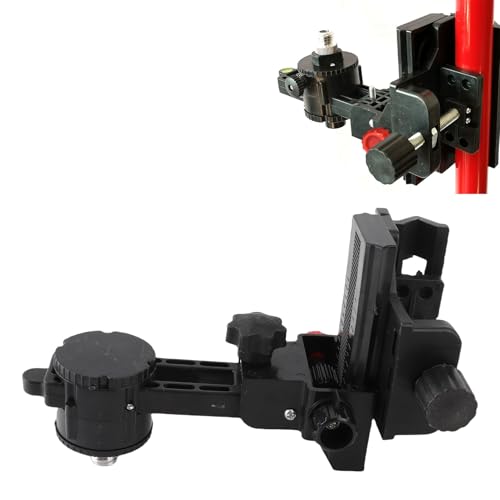
- 360 DEGREE ADJUSTABLE: This Fine Tuning Bracket Level Adapters offers multi-directional control...
- STABLE STRUCTURE: Fine Tuning Bracket Level Adapters The top of the head can be manually rotated...
- AUXILIARY BACK CLAMPS: The fine tuning bracket level adapters come with adjustable opening size back...
Which fine-tuning bracket won’t let me down when my hands are numb?
When your hands are numb, you need a bracket that turns smoothly with almost no effort. A stiff knob forces you to grip harder, and that is exactly when slips happen.
The OPPWONG Fine Tuning Bracket Level Adapter 360 Rotation solves this with its smooth 360 rotation. It lets you make tiny adjustments without fighting the knob, and it is what finally worked for me on cold mornings.

- VERSATILITY: The Firecore FLM60A Bracket features 1/4" male thread mounts to laser level devices and...
- VARIOUS FIXED WAY: The Laser Level Bracket featuring strong magnets for convenient attachment to...
- ADJUSTABLE: The Firecore FLM60A Positioning Device offers a micro-fine height adjustment system to...
Does warming the bracket actually help, or is that a myth?
It is not a myth, and I use this trick constantly. A hand warmer pressed against the housing for a minute softens the stiff grease inside the threads. The knob then turns with far less resistance.
Just do not overdo the heat. You only need the metal to feel less icy, not warm. A minute is usually plenty on a cold morning.
How do I keep my grip steady if my hands start shaking from the cold?
Shaking hands are a sign you need to warm up, not push through. Step out of the wind and cup your hands for a moment. Then brace the bracket with two fingers before you turn.
That anchor makes a huge difference. With your pinky and ring finger steadying the bracket, your thumb and index finger can make a slow, controlled roll every time.