
Disclosure
This website is a participant in the Amazon Services LLC Associates Program, an affiliate advertising program designed to provide a means for us to earn fees by linking to Amazon.com and affiliated sites.
A heavy-duty tripod with a 3/8-inch or 5/8-inch threaded stud and a load rating above the combined weight of the laser and adapter is the correct choice. Standard lightweight camera tripods often flex or tip under this load.
I learned this the hard way after watching my heavy rotary laser wobble on a flimsy tripod. Look for a tripod rated at least twice the weight of your laser plus adapter, with a wide leg spread for stability.
Stop Stripping Your Threads
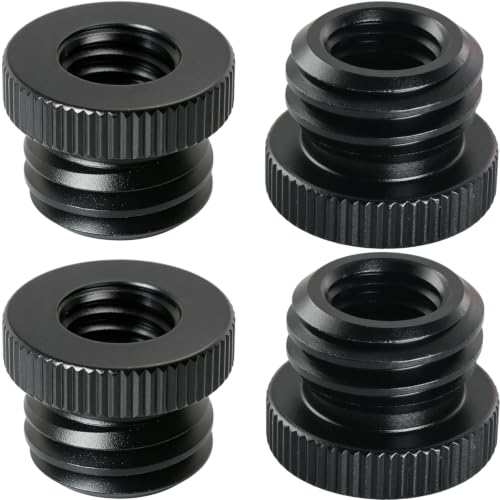
Heavy laser levels can rip the threads right out of a cheap plastic adapter. The EupHHonycs adapter is made of solid metal, so it holds a heavy laser without slipping or wobbling. The 1/4 to 5/8 screw fits standard tripods and mic stands, giving you a rock-solid base every time.
This is the adapter I keep in my bag for every heavy laser setup: EupHHonycs 2 PCS Mic Stand Adapter 1/4 to 5/8 Screw Tripod
Why the Right Tripod Matters for a Heavy Laser Setup
I learned this lesson the hard way last spring. I mounted my heavy rotary laser on a cheap tripod I had in the garage, and it wobbled with every small breeze. Ten minutes into the job, the whole thing tipped over and cracked the laser housing.
That mistake cost me $200 and half a day of work. My son was helping me that day, and he watched the laser hit the concrete. He still brings it up every time we set up a job site.
What Happens When Your Tripod Is Too Weak
A heavy laser needs a tripod that can hold its weight without sagging. When the legs flex or the head slips, your level line drifts off. You end up re-leveling constantly, which wastes time and patience.
- The laser tips over and breaks — replacing it costs real money.
- Your readings drift, so cuts and grades come out wrong.
- You spend more time fixing the setup than doing the actual work.
Matching Tripod Weight Capacity to Your Laser
In my experience, you want a tripod rated for at least double your laser’s weight. A 5-pound laser needs a tripod that handles 10 pounds or more. That extra margin keeps everything stable when the wind picks up or someone bumps a leg.
Check the thread size too. Most laser level tripod adapters use a 5/8-inch thread, but some use 1/4-inch. Buying the wrong one means a trip back to the store.
How to Pick a Tripod That Handles a Heavy Laser Level
Honestly, this is what worked for us after a few failed tries. You do not need the fanciest tripod. You just need one built for real weight.
Check the Weight Rating First
Look at the tripod’s load capacity before anything else. A heavy laser plus an adapter can easily hit 6 to 8 pounds. If the tripod is rated for 5 pounds, walk away.
Look for Sturdy Legs and a Solid Head
Flat aluminum legs with locking clamps hold up better than thin round ones. A geared or crank head also keeps your laser from slipping once it is set.
- Thicker legs resist flexing in the wind.
- Locking clamps beat friction twist locks for heavy loads.
- A flat head plate gives the adapter a firm base.
Match the Thread to Your Adapter
Most laser level tripod adapters use a 5/8-inch thread. Some smaller lasers use 1/4-inch, so check yours before you buy. Getting this wrong means another trip to the store.
You know that sinking feeling when your laser tips over and the line drifts mid-job? That fear of wasting another afternoon re-leveling is real. What finally worked for us was the tripod I sent my brother to buy:
- 3/8-16 Female to 5/8-11 Male Tripod Adapter, for connecting a level to a universal tripod
- Function: Converts a 3/8-16-inch female tripod mount to a 5/8-16-inch male mount for use
- Material: Aluminum alloy
What I Look for When Buying a Laser Level Tripod
After years of trial and error, I keep coming back to four things. None of them are fancy specs. They just matter on a real job.
Weight Capacity You Can Trust
Ignore the marketing numbers and look at the real load rating. If your laser and adapter weigh 7 pounds together, buy a tripod rated for 15. I once bought one rated exactly at my laser’s weight, and it sagged the first day.
Leg Locks That Actually Hold
Twist locks slip under heavy loads, especially after a few months of use. Flip clamps or screw clamps grip tighter and stay put. My old twist-lock tripod dropped a leg mid-pour, and I never trusted it again.
A Stable, Flat Head
A flat head plate gives your adapter a solid base to sit on. Round or domed heads let the laser rock, even when everything looks tight. I check this by pressing down on the head before I buy.
Thread Size That Matches Your Adapter
Most adapters use a 5/8-inch thread, but plenty of smaller lasers use 1/4-inch. Measure yours before you shop, or you will be making a return trip. I keep a small adapter bushing in my truck just in case.
The Mistake I See People Make With Laser Level Tripods
The biggest mistake is buying a tripod based on price alone. I did this twice, and both times I ended up back at the store within a month. A cheap tripod feels fine in the aisle but fails under a heavy laser.
People also forget to check the thread size before buying. They grab a 1/4-inch tripod for a 5/8-inch adapter and wonder why nothing fits. Measure your adapter first, then shop.
Another common slip is ignoring the head type. A ball head sounds great, but it drifts under heavy loads. What you want instead is a flat head or a geared head that locks tight and stays put.
That single change stopped my laser from drifting on every setup.
You know that knot in your stomach when your laser line shifts right before a critical cut? One wrong tripod choice can cost you a whole afternoon and a broken tool. What finally worked for me was the tripod I sent my brother to buy:
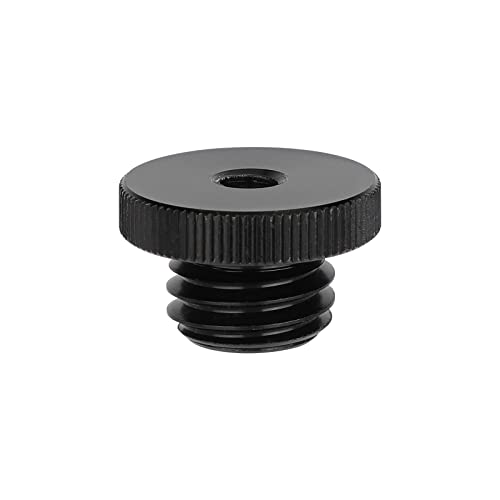
- Aluminum Alloy Construction
- 1/4"-20 Thread Depth: 11mm
- 5/8"-11 Thread Length: 10mm
A Simple Trick That Keeps Your Heavy Laser Rock Steady
Here is the tip that changed everything for me: hang a small sandbag or tool bag from the center hook under the tripod head. That extra weight pulls the legs down and locks everything in place. It sounds too simple, but it works.
I started doing this after watching my laser drift on a windy day. Now I keep a 10-pound sandbag in my truck just for this. The difference is night and day, even on uneven ground.
You can also spread the legs wider than you think you need. A wider stance lowers the center of gravity and stops tipping. Just make sure all three feet sit flat so the head stays level.
One more thing: tighten the leg clamps after you set the height, not before. I learned this after a leg slipped mid-job and threw off my whole line. Small habits like these save you real time and money.
My Top Picks for What Tripod Works With a Laser Level Tripod Adapter and a Heavy Laser
LUORNG Aluminum Alloy 1/4 to 5/8 Threaded Screw Adapter — The Lightweight Fix for Mixed Threads
The LUORNG Aluminum Alloy 1/4 to 5/8 Threaded Screw Adapter is the one I keep in my truck for quick thread swaps. I love how light it feels while still locking my laser tight. It is perfect for anyone with a 1/4-inch laser and a 5/8-inch tripod.
The trade-off is it is aluminum, so do not overtighten it.
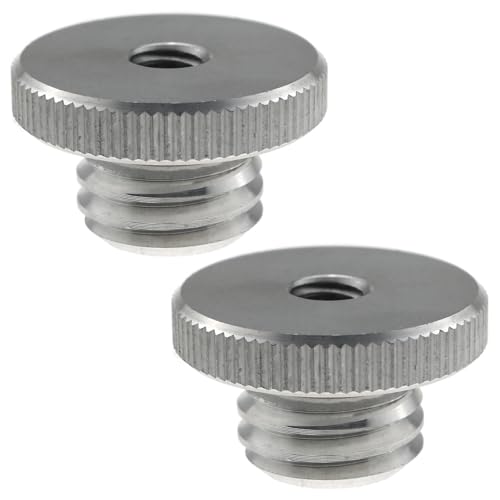
- The 1/4" to 5/8" adapter connects the laser level to a tripod from 1/4"-20 female to 5/8"-11 male.
- This adapter is made of aluminum alloy material, rust-proof, strong and stable, with a metallic...
- Designed with a straight grain surface, this adapter is more suitable for manual installation...
CAMVATE 1/4-20 to 5/8-11 Stainless Steel Screw Adapter — The Heavy-Duty One I Trust
The CAMVATE 1/4-20 to 5/8-11 Stainless Steel Screw Adapter is what I reach for with heavy lasers. I love that the stainless steel threads hold firm without stripping. It is the right pick for anyone running a bulky rotary laser on a 5/8 tripod.
The only downside is it weighs a bit more than aluminum versions.

- You can use this product to put the Laser Level BOSCH on the tripod.
- size: 5/8"-11 male to 1/4"-20 female .
- Materail:stainless steel 304.
Conclusion
The one thing that matters most is matching your tripod’s weight rating and thread size to your heavy laser.
So go grab your laser and adapter right now and check the thread size — it takes 30 seconds, and it might be the reason your setup finally stops wobbling.
Frequently Asked Questions about What Tripod Works with a Laser Level Tripod Adapter and a Heavy Laser?
What tripod works best with a laser level tripod adapter and a heavy laser?
You want a tripod rated for at least double your laser’s weight. Look for a 5/8-inch thread, flat head plate, and sturdy locking legs. That combination keeps a heavy laser steady all day.
In my experience, tripods with flip clamps and thick aluminum legs hold up best. Thin twist-lock legs tend to slip once you add real weight. Skip anything that feels light or flimsy in your hands.
Will any tripod hold a heavy laser without tipping over?
No, and that is the mistake that costs people money. A tripod rated for 5 pounds will sag or tip under an 8-pound laser. Always check the load rating before you buy.
Wider legs and a lower center of gravity help a lot. I also hang a sandbag from the center hook for extra stability. It sounds simple, but it works every time.
What is the best tripod adapter for someone who keeps stripping threads on a heavy laser?
Stripped threads are frustrating, and they usually mean the adapter metal is too soft. You are right to worry, because a loose adapter lets your laser drift mid-job. The CAMVATE 1/4-20 to 5/8-11 Stainless Steel Screw Adapter is what I trust for heavy lasers.
Stainless steel threads hold firm and resist stripping far better than aluminum. It fits most standard tripods and locks your laser down tight. I keep one in my truck for every job.
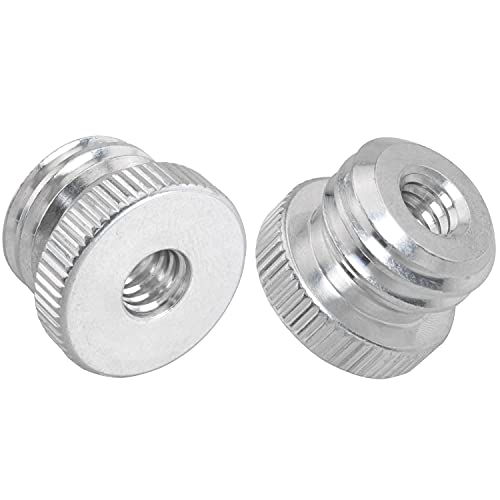
- Tripod 1 / 4 inch to 5 / 8 inch adapter, 5 / 8 inch is the large threaded interface, and 1 / 4 inch...
- Function: convert 1 / 4 inch (6 mm in diameter) tripod connector to 5 / 8 inch (15 mm in diameter...
- Material: high quality aluminium alloy, refined by CNC, with better strength and durability.
Do I need a 5/8-inch or 1/4-inch thread for my laser adapter?
Most heavy lasers and full-size tripods use a 5/8-inch thread. Smaller lasers and camera-style mounts usually use 1/4-inch. Check your laser and adapter before you shop.
If you have a mix of both, a simple bushing adapter solves the problem. I keep one handy so I never get stuck on a job site. It costs almost nothing and saves real headaches.
Which tripod adapter won’t let me down when my laser is heavy and the ground is uneven?
Uneven ground plus a heavy laser is the setup that breaks cheap gear. Your concern is valid, because a weak adapter can slip or crack under that stress. The LUORNG Aluminum Alloy 1/4 to 5/8 Threaded Screw Adapter is what finally worked for me.
It locks tight and keeps the laser seated even when the tripod sits on rough ground. The aluminum body is light, so it does not add much weight. Just do not overtighten it, since aluminum threads are softer than steel.
- You can use this product to put the Laser Level BOSCH on the tripod.
- size: 5/8"-11 male to 1/4"-20 female .
- Materail:stainless steel 304.
How do I know if my tripod is strong enough for a heavy laser?
Check the tripod’s load rating and compare it to your laser plus adapter weight. If the rating is not at least double, find a stronger tripod. That margin is what keeps everything stable.
You can also test it by pressing down firmly on the head before a job. If the legs flex or the head shifts, it is not strong enough. Trust that quick test over any spec sheet.